Your cart is currently empty!
— by
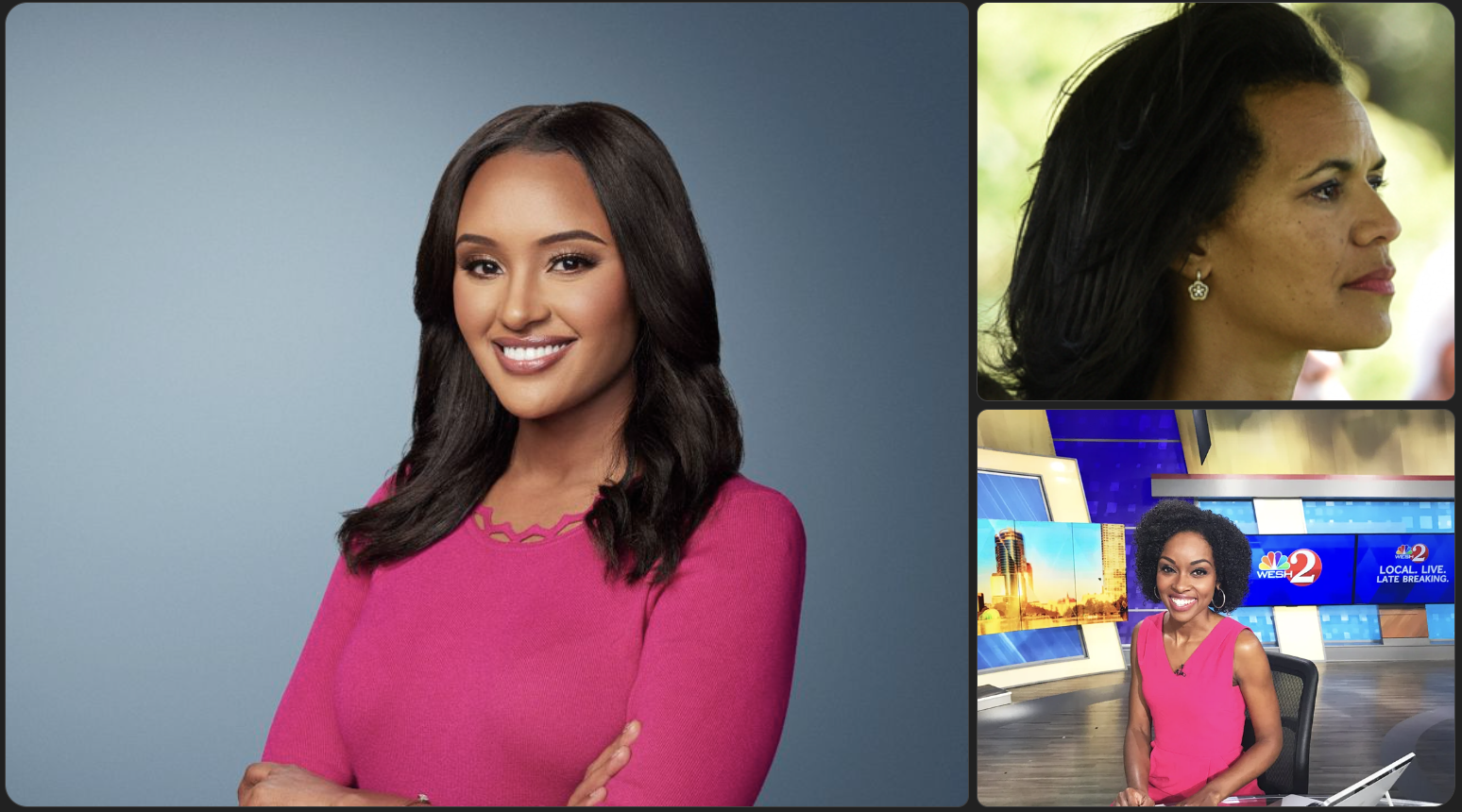
In recent months, a pattern has become impossible to ignore: prominent Black female journalists are losing their platforms, through firings, cancellations, or departures, and with them go vital perspectives on race, politics, and justice.
A disturbing trend
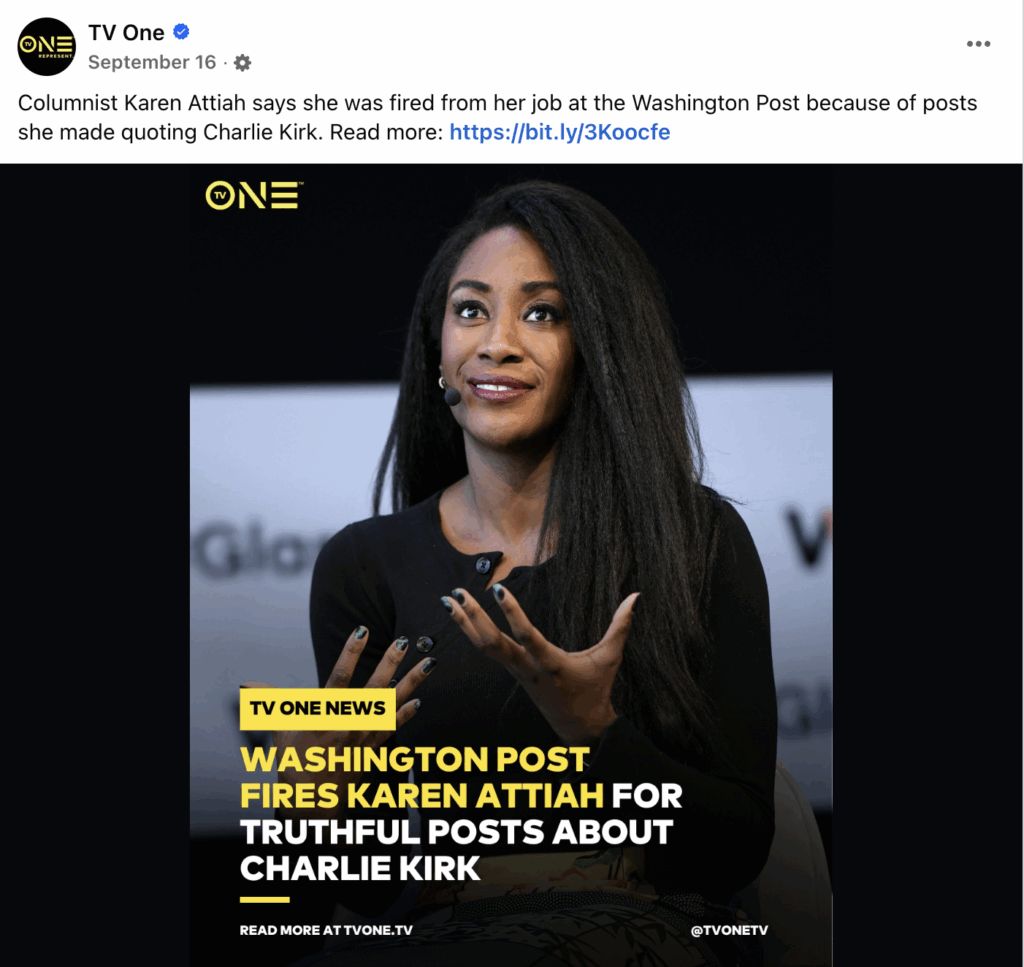
- Karen Attiah, a longtime opinion columnist and former global opinions editor at The Washington Post, was let go after posts on social media in the aftermath of the killing of Charlie Kirk. The Post labeled those posts as “unacceptable,” “gross misconduct,” and claims they endangered colleagues. Attiah disputes these claims. (The Guardian)
- Her departure was especially significant because she described herself as the last remaining Black full-time opinion columnist at the Post. (Wikipedia)
- Elsewhere, Joy Reid, a well-known political commentator and host of the prime time show The ReidOut on MSNBC, saw her show cancelled in a major programming shake-up. Her departure is widely viewed as part of a larger reorganization that reduces the presence of Black voices in prime slots. (AP News)
- Critics have noted that the network changes appear to align with shifting editorial direction and leadership, moving to more centrist or white perspectives, raising questions about representation and the fate of hosts of color. (The Guardian)
Both departures expose a chilling throughline: when Black women journalists speak candidly about race, power, or justice, their platforms are often the first to go.
Magazines Are Not Immune: The Teen Vogue Layoffs
The erasure of Black female journalists is not confined to television or major newspapers; it’s happening across the magazine world, too.
In 2025, Teen Vogue, once celebrated for its bold, youth-driven coverage of politics, race, and identity, announced a major consolidation. Its independent website and editorial operations were folded into the main Vogue brand under Condé Nast.
According to staff reports and union statements, the layoffs disproportionately affected BIPOC women, editors, writers, and producers whose work had helped redefine what a teen magazine could be.
The Condé Nast Union condemned the move, saying the consolidation was “clearly designed to blunt the award-winning magazine’s insightful journalism at a time when it is needed the most.”
This decision effectively gutted one of the few editorial spaces where young Black and brown women were leading national conversations about justice, gender, and activism. For many readers, Teen Vogue had been a lifeline, a publication that validated their experiences and challenged cultural narratives ignored by mainstream outlets.
Diverse newsrooms (in staff, in voices) help ensure more complete storytelling, not just what is reported, but how issues are framed. When Black women who speak truth to power or challenge dominant narratives are silenced, entire communities lose representation in public conversation.
The silence that follows its absorption into Vogue reflects a troubling media pattern: as soon as diverse storytelling becomes too politically charged or culturally potent, it is absorbed, diluted, or erased.
Patterns of erasure
This isn’t just about individual transitions or contract endings. The firings or cancellations happen in a climate where skepticism of “woke” or diversity programs is rising. Critics argue that some of these moves are not neutral editorial decisions but part of a broader trend of pushing back against voices that highlight racial injustice.
Karen Attiah herself framed her firing as part of “a broader purge of Black voices from academia, business, government, and media a historical pattern … tragic.” (The Sacramento Observer)
And advocates are sounding the alarm: the loss of Black female journalists is not just individual job losses, but structural silencing. (AP News) This climate of silencing extends far beyond newsroom doors. It shows up in boardrooms, contracts, and even court filings — in the quiet procedural ways power resists equity.
As a Black woman media founder navigating a trademark opposition case before the U.S. Patent and Trademark Office’s Trademark Trial and Appeal Board (TTAB), I’ve experienced firsthand how systemic resistance extends beyond headlines or hiring statistics; it can show up quietly, in legal filings and procedural maneuvers.
In my case, the legal dispute centers around the right to register and protect the Yaah! brand — a cultural platform created to amplify Black voices in entertainment, lifestyle, and media. While the matter remains pending, what’s become increasingly clear is that the challenge transcends my individual filing. It reflects a broader truth: independent Black creators often find themselves fighting for the right to name, define, and protect their own cultural expressions.
In the public record, the case underscores recurring themes — overreach, procedural obstruction, and an imbalance of resources between major corporations and small, culturally specific entrepreneurs. The legal filings themselves reveal a pattern familiar to many Black innovators: when we step into protected or monetizable spaces, the gatekeeping begins not in conversation but in documentation.
This is not about one company or one dispute. It is about how the system treats independent Black media ownership — how creativity becomes subject to scrutiny the moment it challenges the boundaries of what corporate America deems permissible. The filings in my case may appear routine, but they echo the same structural imbalance seen across the creative economy: those with the least institutional power bear the highest cost to defend their legitimacy.
What to watch for
- Demand transparency: Media companies must publicly report diversity data — who’s on staff, who’s promoted, who’s given airtime.
- Follow the money: Are “editorial shifts” really financial decisions or ideological ones?
- Support independence: Audiences must invest in and amplify the work of Black women journalists and independent outlets.
A call to action
We cannot pretend this is just business as usual. The increasing absence of Black female journalists in major outlets is not random; it reflects power dynamics, ideological shifts, and institutional choices that shape what stories get told, and who is allowed to tell them.
If we value a free, inclusive press that speaks to all Americans, then we must hold outlets accountable. We must uplift independent Black women journalists, encourage new voices, and resist narratives that aim to silence or marginalize.
Why Independent Black Media Matters More Than Ever
The internet has become a space where the Black experience can be told through a Black lens. It is where Black women journalists, creators, and thinkers document the realities that mainstream outlets often distort, ignore, or sensationalize. So why are we begging for a seat at the table?
Through independent digital platforms, we continue the long tradition of cultural reporting — capturing the nuances of Black life, the complexity of our communities, and the evolving landscape of politics, art, and social justice. These online spaces serve as modern-day newsrooms, archives, and classrooms, preserving the truth of our experience in real time.
At a moment when traditional media retreats from its responsibility to cover race with depth and honesty, Black women are using the digital sphere to bear witness. We chronicle what it means to live, work, and thrive amid ongoing political erasure and economic inequity. Our presence online ensures that the story of Black America is not told about us but by us.
But as Black women are erased from mainstream journalism, the urgency of this digital self-expression becomes even greater. The shrinking number of Black women in major newsrooms means fewer authentic voices shaping public narratives; fewer mirrors reflecting our lived experience.
That’s where platforms like Yaah! Entertainment & Lifestyle Magazine come in. Yaah! was built to preserve and amplify the stories, perspectives, and cultural intelligence that corporate media often sidelines.
Yaah! is not chasing corporate approval or political convenience. It stands as a home for unfiltered truth; a living archive of Black creativity, identity, and thought. It’s where we reclaim the mic, redirect the lens, and tell our stories on our own terms.
This is more than a media movement; it’s cultural preservation. Every article, interview, and feature on Yaah! resists erasure and affirms that Black women are not only part of the story — we are the storytellers.
So when they erase us from their pages, we build our own. ✊🏾
👉🏾 Read, share, and support independent platforms that speak truth without fear: Yaah! Entertainment & Lifestyle Magazine
Newsletter
Our latest updates in your e-mail.
Leave a Reply